In response to what appears to be one of, if not the most important, election in our
country’s history, Interfaith America (IA) has published a Faith in Action Playbook. IA
defined their purpose as follows:
“The Faith in Elections Playbook supports faith-based, civic and campus communities with accessible, actionable resources to support the
2024 election. This playbook is designed to make it easier for faith and community
leaders to join work that is already happening across America to help the 2024 elections run smoothly, so that all eligible voters can access a ballot and every valid vote is counted. Our purpose in compiling and curating this information, is to enable organizations to focus on taking actions that best align with their interests, their skills, and the needs of their communities.”
This blog summarizes the topics addressed in the playbook and the highlights the help it offers. We hope that it will help those who want to help, but don’t know how or where to start. If this piques your interest you can find the playbook at
https://www.interfaithamerica.org/resources/faith-in-elections/
The Playbook addresses the Need and the Response for each topic. The response
includes specific resources for help.
Addressing polarization and building cohesion in your community
IA offers three ways faith-based communities can address the polarization in their
community: Holding deep listening sessions and dialogue across difference within the community; hosting interfaith conversations across religious differences to identify shared values and vision; and conducting acts of service as an interfaith coalition or alongside differing political perspectives. The playbook offers specific resources for each of these three pathways.
Sharing trustworthy information about where and how to vote
Religious communities generally have a good way to disseminate information to their members. This can also be used to ensure that the community has the correct information about voting: how to register to vote and check registration status; options for voting; dates, times, and locations; and several more. The site summarizes what denominational organizations need to know to protect their 501(c)(3) status and a link for detailed IRS information. The resources contain links that make it easy, or easier, to find the specific information needed, as well as potential partner organizations.
Supporting voters to have a safe, positive voting experience
As we have seen in previous elections long lines to vote can present problems. The playbook addresses providing food and water to people in voting lines and providing a peaceful presence by both clergy and lay people. The resources include a checklist for providing food and water and an Election Official Directory to facilitate finding the rules in your county. Other resources are state by state guides for about providing a peaceful presence in your state and a one-page training guide about de-escalation for volunteers.
Recruiting poll workers and election judges so polling locations are adequately staffed
This section provides ample information about what is needed to recruit poll workers and the resources include email templates, guides and a potential partner in the work.
Offering space or finding space so your community has enough polling locations
There are a lot of specific requirements to being a polling site so this may be a long-term goal to be fulfilled. In places of need it could happen quickly. Again, there is great information about what to consider before seriously contemplating action and links to specifics.
Building relationships with local election officials to increase trust and incentivize good behavior.
Demystifying the election administration by providing opportunities for direct
engagement with election officials can build trust in the outcomes. Election officials can answer questions about how people vote, how ballots are counted and how our elections are certified. Opportunities for members of all political parties or independents can increase transparency and accountability. The resources include information on how to engage with officials, links to webinars that will be available throughout the campaign cycle, and how to thank an election official.
This summary of what IA offers is based on the playbook which you can access at
https://www.interfaithamerica.org/resources/faith-in-elections/
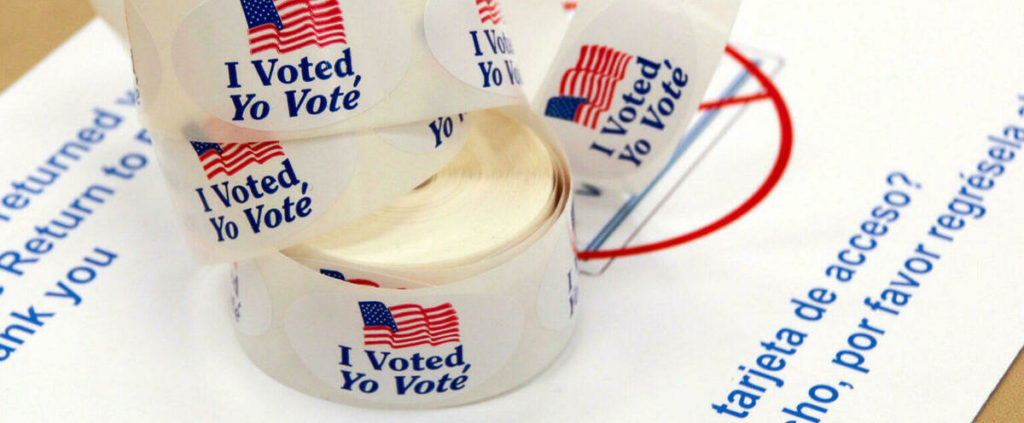
Photo from Skagit Scoop via Google: Copyright: Creative Commons Attribution-ShareAlike 2.0 Generic
 Do Justice
Leave a comment